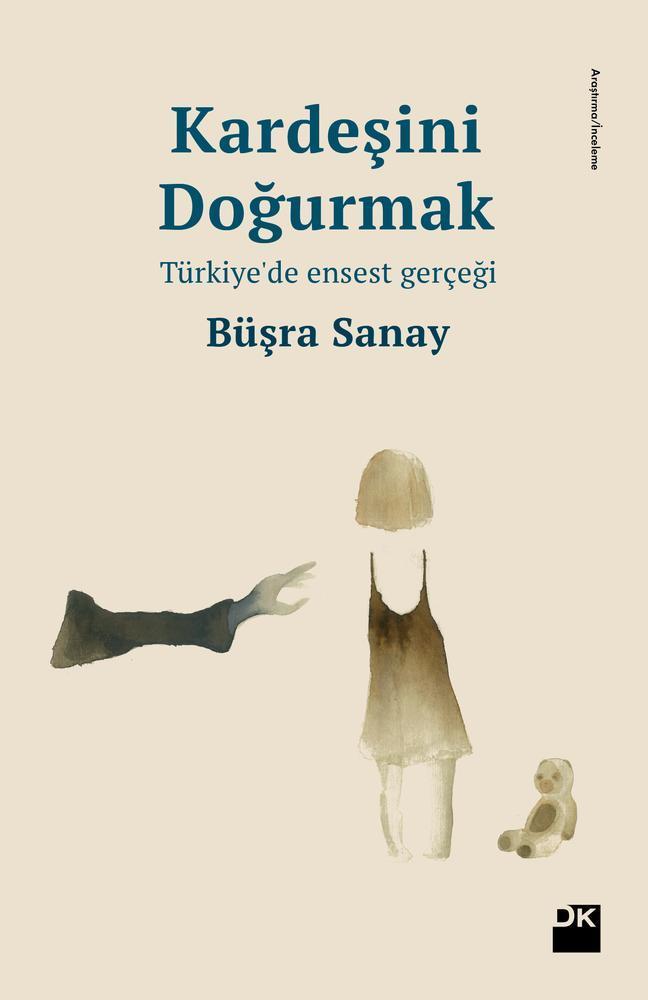
Kardeşini Doğurmak: Unveiling Turkey's Deepest Incest Taboo
In the vast tapestry of human experience, some threads are so dark, so painful, they are deliberately woven out of sight, condemned to the shadows of societal consciousness. In Turkey, one such thread is incest – a reality often dismissed, ignored, or actively concealed behind a thick veil of shame and silence. It takes immense courage and an unwavering commitment to truth to pull back this veil, and that is precisely what Büşra Sanay, a renowned CNNTürk news anchor, has achieved with her groundbreaking book, Kardeşini Do��urmak (To Give Birth to Your Sibling).
This powerful work is not merely a book; it's a vital social document, a searing exposé born from years of meticulous research and profound empathy. Sanay dares to confront humanity's darkest corner, challenging us to look directly into the eyes of a deeply uncomfortable truth. As the celebrated author Zülfü Livaneli aptly puts it, "Büşra Sanay humanlığın en karanlık noktasına, en bağışlanmaz suçuna büyük bir cesaretle eğiliyor ve ne kadar acı olursa olsun gerçeğin gözünün içine bakmaya çağırıyor bizi. Belki de arınma, bu yüzleşmelerle gelecek." This sentiment encapsulates the very essence of Kardeşini Doğurmak: a call for societal catharsis through unflinching honesty, no matter how profoundly it shakes us.
For those seeking to truly understand the depths of this societal challenge and contribute to a much-needed dialogue, the opportunity to Büşra Sanay's Kardeşini Doğurmak: A Brave Look at Incest Trauma is more than just reading; it's an act of conscious engagement.
A Courageous Confrontation with the Unspeakable
Sanay’s journey into the heart of this taboo began with a commitment to giving voice to the voiceless. The creation of Kardeşini Doğurmak was a monumental undertaking, requiring not just journalistic rigor but also an extraordinary degree of sensitivity. She embarked on a multi-year investigation, speaking with an incredibly diverse range of individuals directly affected by or involved in the issue of incest in Turkey. Her interviewees include:
- Survivors: Offering raw, often heartbreaking, firsthand accounts of their experiences.
- Families: Exploring the complex dynamics, denial, and profound impact on family structures.
- Socio-cultural Experts: Delving into the societal mechanisms that perpetuate silence and stigma.
- Theologians: Examining religious perspectives and how they might be misinterpreted or used to justify silence.
- Legal Professionals: Uncovering the judicial challenges and loopholes in prosecuting such crimes.
- Educators: Discussing the role of education in prevention and awareness.
- Psychologists: Providing insights into the deep-seated trauma and long-term psychological effects.
- Forensic Experts: Offering clinical and scientific perspectives on the evidence and impact.
This multifaceted approach allows Sanay to paint a comprehensive, albeit devastating, picture of incest in Turkey. It’s a brave move to highlight a reality that many would prefer to keep hidden, recognizing that true healing and progress can only begin with an open and honest confrontation. The book serves as a mirror, forcing Turkish society to reflect on its collective responsibility for the silence that has allowed this wound to fester.
Peeling Back Layers of Silence: Turkey's Deepest Wound
The phrase "Türkiye’nin en mahrem yerinde görülmeyen, görmezden gelinen bir yara: Ensest" (An unseen, ignored wound in Turkey's most private places: Incest) powerfully encapsulates the central theme of Sanay's work. In Turkish culture, the concept of "mahrem" implies a sacred, private space, often associated with family and personal dignity. Ironically, it is within these very "mahrem" spaces that some of the most profound violations occur, hidden behind a cultural imperative for secrecy that often prioritizes family honor over individual well-being.
Kardeşini Doğurmak meticulously explores how this silence is constructed and maintained. It delves into the societal taboos that make it incredibly difficult for victims to speak out, often fearing disbelief, ostracization, or further abuse. Sanay reveals that the problem isn't just the act of incest itself, but the entire societal ecosystem that enables it to thrive unseen. This includes:
- Cultural Norms: Deep-seated patriarchal structures and expectations that often disempower women and children.
- Fear of Stigma: The immense shame associated with being a victim of sexual abuse, often leading to self-blame and isolation.
- Lack of Education: Insufficient awareness campaigns or educational programs about consent, healthy relationships, and child protection.
- Institutional Failures: Gaps in legal, psychological, and social support systems that fail to adequately protect and support survivors.
By exposing these layers, Sanay's book becomes a powerful tool for deconstructing the silence. It highlights that the responsibility for addressing incest lies not just with individual families, but with the entire society that has, intentionally or unintentionally, allowed this "toplumsal bir yara" (societal wound) to remain untreated.
Beyond Individual Trauma: A Societal Sickness
One of the most profound contributions of Kardeşini Doğurmak is its reframing of incest not merely as an individual crime or a series of isolated incidents, but as a systemic "societal disease." This perspective shifts the focus from blaming individual perpetrators or victims to recognizing the broader pathologies within society that allow such abuse to persist and remain hidden.
Incest inflicts devastating, long-lasting trauma on its victims. This trauma manifests in various ways:
- Psychological Scars: Anxiety, depression, PTSD, dissociative disorders, and difficulty forming healthy relationships.
- Physical Health Issues: Often psychosomatic symptoms or a neglect of personal health.
- Social Isolation: Feelings of shame and secrecy that lead to withdrawal from social connections.
- Erosion of Trust: A fundamental breakdown of trust in family, authority figures, and society at large.
However, Sanay goes further, demonstrating how this individual trauma ripples outwards, impacting entire family dynamics, perpetuating cycles of abuse, and eroding the social fabric. When a society collectively turns a blind eye, it implicitly sanctions the abuse, making it complicit in the suffering. The book challenges the comfortable illusion that these are isolated incidents, arguing instead that they reflect deeper systemic issues that demand collective attention and intervention. To truly appreciate the book's multifaceted critique and its call for collective responsibility, you might want to explore Kardeşini Doğurmak: How One Book Challenges Society's Silence.
Own Analysis: This "societal disease" analogy is particularly potent because it implies that treatment requires a comprehensive, community-wide approach. Just as an epidemic requires public health initiatives, educational campaigns, and accessible treatment, so too does the issue of incest. It necessitates a shift from shame-based responses to support-based ones, from denial to acknowledgement, and from secrecy to transparency.
Why "Kardeşini Doğurmak" Resonates and Inspires Action
Büşra Sanay's intention with Kardeşini Doğurmak extends far beyond mere documentation. It is an urgent plea for awareness, understanding, and, most importantly, action. The book aims to be a catalyst for change, transforming passive readers into active participants in breaking the cycle of silence and abuse. Its power lies in its ability to:
- Create Awareness: By bringing a hidden reality into the light, it forces society to acknowledge the existence and prevalence of incest.
- Foster Empathy: Through the personal stories of survivors, readers gain a deeper understanding of the profound pain and resilience involved.
- Challenge Taboos: It openly questions why this topic remains so unspeakable, encouraging public discourse and challenging ingrained cultural norms.
- Advocate for Change: By highlighting systemic failures, it implicitly calls for improvements in legal frameworks, social support systems, and educational initiatives.
For those who wish to embark on a journey of profound understanding and empathy, the opportunity to Kardeşini Doğurmak Oku offers a crucial starting point. It’s an invitation to confront your own discomfort and emerge with a broadened perspective and a stronger resolve to contribute to a safer, more transparent society.
Practical Steps Towards Breaking the Silence:
If Sanay's work inspires you, here are some actionable ways to contribute to breaking the silence and supporting those affected:
- Educate Yourself: Continue to learn about the dynamics of abuse, trauma, and recovery. Knowledge empowers.
- Listen and Believe: If someone confides in you, listen without judgment and believe their story. Validation is a powerful first step towards healing.
- Challenge Stigma: Speak out against victim-blaming and challenge societal norms that perpetuate silence around sexual abuse.
- Support Survivors: Offer practical and emotional support, and help connect survivors with professional help (therapists, legal aid, support groups).
- Advocate for Policy Change: Support organizations working to improve child protection laws, increase funding for support services, and implement comprehensive sex education.
- Foster Open Communication: Within your own family and community, create an environment where difficult conversations can happen safely, and children feel empowered to speak up.
Conclusion
Kardeşini Doğurmak by Büşra Sanay stands as a beacon of courage and a testament to the transformative power of truth. It is a necessary, albeit painful, read that strips away layers of denial to reveal a profound societal wound in Turkey. By giving a platform to survivors and critically examining the societal mechanisms that perpetuate silence, Sanay doesn't just inform; she ignites a spark for change. The call to Kardeşini Doğurmak Oku is not merely an invitation to read a book; it's an invitation to confront, to learn, and to catalyze a future where such deep-seated taboos can no longer thrive in the dark.